
Antioxidants are a group of vitamins, mineral and enzymes that help protect our body from the formation of free radicals. Free radicals are produced by our own metabolism and from the environment.
Use the product links to the right for information and purchases.
Click here for a list of products relating to Antioxidants.
What is a free radical?
A free radical is an atom or group of atoms that has at least one unpaired electron. Because another element can easily pick up this free electron and cause a chemical reaction, these free radicals can cause dramatic changes in the body. Hydrogen peroxide is an example of an unstable substance involved in free radical reactions. Because these free radicals are highly volatile, they can cause a lot of damage in the body. One of the dangers of radiation is that it encourages the formation of free radicals.
Free radicals are normally present in the body in small numbers. Biochemical processes naturally lead to the formation of free radicals and under normal circumstances the body can keep them in check, however exposing the body to ionising radiation activates the formation of free radicals. The formation of a large number of free radicals stimulates the formation of more free radicals, leading to greater instability.
Damage is incurred due to excessive free radical formation
The presence of a dangerous number of free radicals can alter the way in which the cells code genetic material. Changes in protein structure can occur as a result of errors in protein synthesis. The body's immune system may then see this altered protein as a foreign substance and try to destroy it. The formation of mutated proteins can eventually damage the immune system and lead to leukemia and cancer, as well as a host of other diseases.
In addition to damaging genetic material, free radicals can destroy the protective layer of fat in the cell membrane. The formation of free radicals can also lead to retention of fluid in the cells, which is involved in the aging process. Calcium levels in the body may be upset as well.
In addition to radiation, the diet can also contribute to the formation of free radicals. When the body obtains nutrients through the diet, it utilises oxygen and uses these nutrients to create energy. In this oxidation process, oxygen molecules containing unpaired electrons are released. These oxygen-free radicals can cause damage to the body if produced in extremely large amounts.
A diet that is high in fat can increase free radical activity. Oxidation occurs more readily in fat molecules than it does in carbohydrate or protein molecules. Cooking fats at high temperatures, particularly frying foods in oil, can produce high numbers of free radicals.
So what can we do to inhibit the formation of free radicals?
Supplementing the diet with antioxidants, such as pine bark extract, a grape seed extract, the enzymes superoxide dismutase and glutathione peroxidase, vitamins A, C and E and the trace minerals selenium and germanium, can inhibit the formation of these free radicals by pairing up their free electrons. You can also purchase antioxidant formulas containing these nutrients. By preventing free radical formation, antioxidants help to detoxify the body.
What are antioxidants?
There is a group of vitamins, minerals and enzymes called antioxidants that help protect our body from the formation of free radicals. Free radicals are atoms or groups of atoms that can cause damage to our cells, impairing our immune system, leading to infections and various degenerative diseases.
There are three known free radicals - the superoxide, the hydroxyl and peroxide. They may be formed by exposure to radiation and toxic chemicals, overexposure to the sun's rays or through the action of various metabolic processes, such as the use of stored fat molecules for energy.
The way in which free radicals are normally kept in check is by the action of free radical scavengers that occur naturally in the body. These scavengers neutralise the free radicals. Certain enzymes serve this vital function. 4 important enzymes that neutralise free radicals naturally are superoxide dismutase (SOD), methionine reductase, catalase and glutathione peroxidase. The body makes these as a matter of course.
In addition, the work of these scavenger enzymes can be supplemented by a diet rich in antioxidants, such as vitamins A,C and E and the mineral selenium and other nutrients. These antioxidants are also scavengers, gobbling up the free radical particles.
If the diet is inadequate or lacking the appropriate antioxidants, or if the system is overwhelmed by free radicals, you can take the following supplements to aid the body in destroying free radicals.
The antioxidants
Vitamin A
This is a fat-soluble nutrient that occurs in nature in 2 forms:
(1) Preformed vitamin A or retinol
(2) Provitamin or precursor vitamin A
Preformed vitamin A is concentrated in animal tissues, where it has already been metabolised from the carotene food the animal has eaten.
Beta-carotene is referred to as precursor or provitamin A. This vitamin is necessary for healthy mucous cells and promotes germ killing enzymes. Beta-carotene, unlike vitamin A, is a cancer antioxidant that traps dangerous molecules that contribute to the malignancy process. It appears that the family of carotenoids work together, each in its own way, to ensure that all cells remain healthy.
Vitamin C
In addition to increasing interferon production, Vitamin C is a potent stimulator of T-effector cell activity and is also a very powerful antioxidant. Vitamin C reduces lipid production in the brain and spinal cord, which frequently incur free radical damage. These sites can be protected by significant amounts of Vitamin C. The study of vitamin C in relation to cancer therapy is still ongoing, but there is strong support for the vitamin having protective effects for certain kinds of cancer.
Vitamin E
Vitamin E is a powerful antioxidant that opposes oxidation of lipids in the body. Oxidation involves a compound called an oxidiser, which attacks another compound, removing an electron from it. Vitamin E protects other substances from being oxidised itself, taking the brunt of any attack on lipids or other components of the membrane.
It prevents fat and cell membrane rancidity and protects the coating around each cell. It aids in bringing nourishment to the cells, strengthening the capillary walls and protecting the red blood cells from destruction by poisons, such as hydrogen peroxide(a free radical), in the blood.
Vitamin E improves oxygen utilisation and enhances immune response. New evidence suggests that zinc is needed to maintain normal blood concentrations of vitamin E.
Bioflavonoids (Vitamin P)
Bioflavonoids are known as vitamin P, but they do not fulfil the true definition of a vitamin. They are companions to Vitamin C and were discovered at the same time.
Bioflavonoids give colour to flowers, leaves and stems. There are at least 500 naturally occurring varieties. The components of the bioflavonoids are citrin, hesperidin, rutin, flavones and flavanols.
Bioflavonoids act as an antioxidant, keeping vitamin C and adrenalin from being oxidised by copper containing enzymes.
L-Cysteine
This sulphur containing amino acid is needed to produce glutathione. It is used by the liver and the lymphocytes to detoxify chemicals and germ poisons. Cysteine is a powerful detoxifier of alcohol, tobacco smoke and environmental pollutants, all of which are immune suppressors.
L-Glutathione
This powerful antioxidant rids the body of free radicals, protecting it from the harmful effects of metals, drugs, cigarette smoke and alcohol. Glutathione plays a major role in protecting cells from oxidant stress and detoxification.
Selenium
Selenium is an essential mineral found in minute amounts in the body. It is one of the essential body substances that can be used in a preventative manner for many diseases, including cancer, arteriosclerosis, stroke, cirrhosis, arthritis and emphysema.
Selenium is a natural antioxidant that protects against free radicals and appears to preserve elasticity of tissue that becomes less elastic with aging. This is accomplished by delaying the oxidation of polyunsaturated fatty acids, which deal with the changes in hormone production and hormone receptors. All diseases that are associated with aging are affected by the workings of selenium. Selenium can take the place of vitamin E in some antioxidant functions, such as the protection of cell membranes.
Zinc
Zinc is a trace metal, which is essential in human and animal tissues. It acts as an antioxidant to defend the body against free radicals and to prevent lipid oxidation and other damage.
Zinc is an antioxidant that acts in a number of ways. It is an integral part of the cytoplasm, the fluid part of the cell and the enzyme SOD.
Zinc chelated to the amino acid methionine (zinc monomethionine) has been shown to be more effective than other sources of zinc in preventing oxidation and in defending against free radical generation. Recent research shows that this particular zinc compound is nearly as effective as vitamin E, more effective than vitamin C and beta-carotene and as much as 6 times more effective than other forms of zinc in scavenging free radicals.
Copper
This mineral is one of the most important blood antioxidants and prevents the rancidity of polyunsaturated fatty acids and helps cell membranes remain healthy. It protects against free radicals by preserving the structural strength of the membranes, where the reactions take place. It appears to protect the immune system in a positive way.
Iron
The antioxidant activity of iron is reflected in its action as a co-factor for catalase, the enzyme that mops up toxic peroxide and converts this to water. While iron in catalase functions as an antioxidant, iron in high doses, unbound to proteins, acts as a pro-oxidant and generates free radicals, in particular the highly reactive hydroxyl radical. This points to the importance of a healthy and adequate antioxidant pool to take care of such events and to the fact that "more is not necessarily better".
Manganese
Today, we know that the trace mineral manganese plays an important role as an antioxidant in the prevention of toxic oxygen formation. It may play a part in the degenerative process called aging. As well as this, manganese is the co-factor in the antioxidant enzyme, SOD.
Superoxide Dismutase (SOD)
SOD is an enzyme. A healthy body produces nearly 5 million units of SOD and its partner, catalase, daily. SOD revitalises the cells and reduces the rate of cell destruction. It removes the most common free radical, superoxide, which is thought to be the most dangerous of the 4 free radicals.
SOD also aids in the body's utilisation of zinc, copper and manganese. Free radical production increases with aging, while SOD levels are reduced. The potential of SOD to slow the aging process is currently being explored.
The SOD supplement in pill form must be enteric coated. A supplement should be able to provide a daily amount of about 5 million units or higher.
SOD naturally occurs in barley grass, broccoli, brussels sprouts, cabbage, wheat grass and most green plants. SOD is contained in the product Advanced Antioxidant.
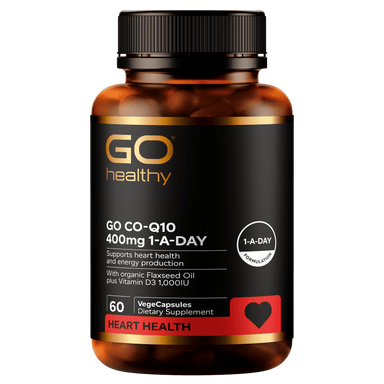
CoEnzyme Q10
This enzyme has antioxidant activities similar to that of vitamin E and under certain conditions it has been shown to improve symptoms of vitamin E deficiency. Unlike Vitamin E, which must be supplied by the diet, COQ10 can be made by the body. Supplementation is usually an easier way to ensure you are getting enough. As is true of Vitamin E, CoQ10 prevents free radical attacks on molecules and protects the integrity of enzymes, other proteins and the genetic materials DNA and RNA.
Pine Bark Extract
This is usually referred to as Pycnogenol and in NZ we have Enzogenol. Pine bark contains the most complete complex of proanthocyanidins of any plant. These are one of the parts that give this its powerful antioxidant action.
Grape Seed Extract
The French, who are proud of their famous cuisine and enjoy red wine with their meals, have low rates of heart disease, despite their high intake of saturated fat. This has baffled many scientists, who called it the French paradox. The mystery was solved in a recent study showing that flavonoids in red wine, specifically the phenols, inhibit the peroxidation of LDL cholesterol and thus protect the drinkers from coronary heart disease.
Grape Seed extract is now added to many antioxidant formulas, or can be purchased by itself.
Green Tea
There are many compounds in tea leaves. The active antioxidants are the polyphenols, the most potent and predominant being catechins. Black tea contains polyphenols that have been extensively processed and which have less antioxidant activity than is true of the polyphenols in Green Tea. Catechin acts synergistically with Vitamin E and C and is reported to have a wide range of promising protective effects.
Ginkgo Biloba
Gingko biloba is a proven antioxidant and free radical scavenger. This herb is helpful in support of memory loss associated with aging, poor circulation to the extremities, tinnitus and the early stages of macular degeneration.
Taking Ginkgo Biloba improves circulation to the brain and extremities and sharpens concentration and mental activity. The antioxidant activity protects the brain and nervous system from free radical damage. As well as this, it protects the blood-brain barrier (anatomical barriers and transport systems that control types of substances entering extracellular spaces of the brain).
Ginkgo biloba decreases tissue damage caused during circulatory stress and increases circulation to the extremities. It helps supply more oxygen and glucose to the brain and protects arteries, veins and capillaries from damage - regulating their tone and elasticity.
Vitamin B2 (Riboflavin)
Riboflavin is unique in that not only does it work within the cell to energise, it also functions to clean the cells of any antagonistic elements. One of the most interesting aspects of this vitamin is that along with the enzyme glutathione reductase, it stands to guard against free radicals. It works as an antioxidant, which tracks down and destroys abnormal cells in the body, such as those that cause cancer. All B vitamins are important and should be taken as a B Complex.
Other Antioxidants
Garlic
Onions
Ellagic acid found in grapes, berries and cherries
Indoles, isocyanates and flavonoids are found in cruciferous vegetables such as broccoli, cabbage, brussels sprouts, cauliflower etc
Curcumin found in turmeric and curry
Licorice root
Rosemary
Anthocyanin, the purple pigment in fruits and vegetables such as blueberries
Isoterpenes constitute a wide range of compounds, including the carotenoids
Isoprenoids include limonene, which sits alongside the flavonoids in the peel and oils of lemons and other citrus fruits
At Ideal Health we stock a number of antioxidant combinations. These include:
Enzogenol
Vitis
Herbal Antioxidant
Advanced Antioxidant
NOTE: If taking any prescription blood thinning medication, do not take Ginkgo biloba.
5HTP 120mg Ultra Serotonin Support
$54.90
More Info | Add to Basket
Win a $25 shopping voucher
drawn monthly
Make a personal invitation....
to visit healthyonline